
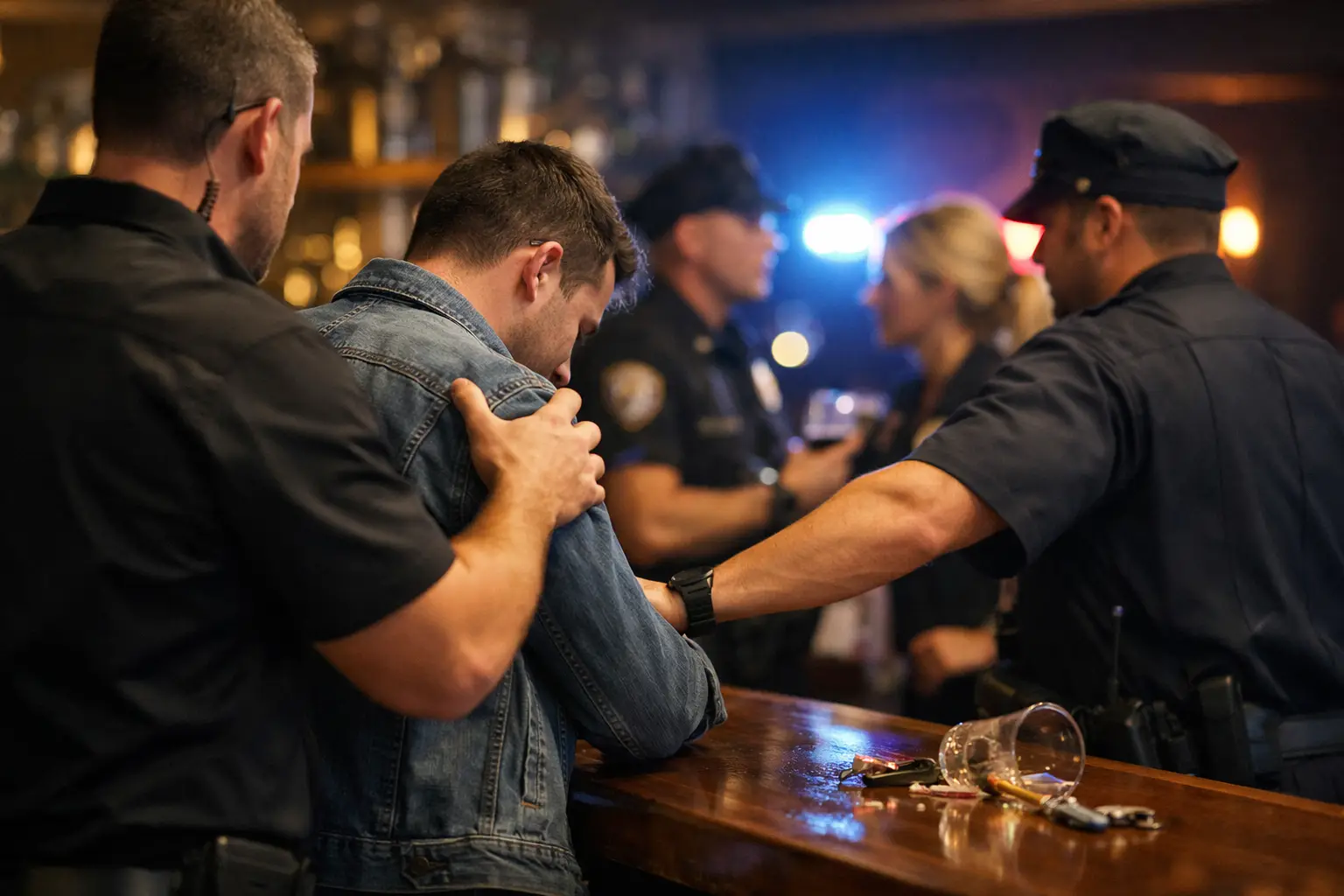
A fight at 23:40 rarely starts at 23:40. In most bars, the visible incident is the final stage of a problem that has been building through behaviour, crowd pressure, alcohol consumption and missed intervention points. That is why a useful bar incident response example is not just about what happens when punches are thrown. It is about what a competent venue team sees earlier, how they communicate, and how they regain control without creating a second incident.
For venue operators, duty managers and hospitality groups, incident response has to be practical. It needs to protect customers and staff, support licensing objectives, preserve evidence and show that the venue acted reasonably. A poor response increases risk on every front – injury, reputational damage, staff stress, police scrutiny and potential civil claims. A disciplined response reduces harm and gives management something just as valuable: a clear account of what happened and why decisions were taken.
A bar incident response example in a live venue
Picture a Friday night in a town-centre bar with a mixed crowd, a DJ, standing service at the main floor and table seating to the rear. Two male patrons have been involved in low-level verbal friction for around 20 minutes. One group has already been spoken to by floor staff about crowding near the bar service point. Door supervisors have noticed raised voices, close physical posturing and repeated attempts by one individual to re-engage after being separated by his friends.
At 23:38, a glass is knocked from a table during another verbal exchange. Staff alert security by radio using a clear location reference. One door supervisor moves to observe and create space. A second positions at an angle to manage bystanders and stop other customers stepping into the conflict. The supervisor nearest the two men uses verbal intervention first – calm tone, direct instruction, simple language: step back, hands visible, move away from each other.
One male complies briefly, then lunges. At that point the incident changes from a brewing confrontation to an active assault risk. The priority becomes immediate harm reduction. Security separates the parties using lawful, proportionate intervention, with one officer controlling the aggressor and another shielding the second male and nearby customers from further contact. The duty manager is informed. Music volume is reduced so instructions can be heard. Bar service in the immediate area is paused.
Once separation is achieved, the scene is divided. The aggressor is moved towards the exit under control and monitored for further resistance. The second male is taken to a safe area away from his group to prevent reignition. Floor staff check for injury, broken glass and spill hazards. CCTV timestamps are noted. If there is any sign of injury, significant intoxication, weapon risk or continued aggression, emergency services are contacted without delay.
The incident does not end when the aggressor leaves the door line. A competent team then moves into post-incident control. Witness details are captured. Body-worn video, if in use, is retained. An incident log is completed while events are fresh. The manager records who made decisions, what force was used if any, what was said to the individuals involved, and whether police or ambulance attended. That record matters as much as the physical intervention.
What makes this bar incident response example effective
The strongest point in this example is not physical capability. It is early recognition and structured escalation. In bars and late-night venues, staff often see fragments of risk before they see a full incident. Someone repeatedly returning to another group, escalating language, territorial behaviour around service points and growing audience attention are all signs that the issue is moving beyond routine customer management.
The second strength is role clarity. One officer engaging verbally, one managing space and one manager coordinating wider venue response is far more effective than multiple people rushing in without structure. Crowded environments punish confusion. If everyone focuses on the central aggressor, no one controls the crowd, protects staff or preserves a safe route to the exit.
The third strength is proportionality. Not every confrontation requires physical intervention. In fact, unnecessary hands-on tactics can make a manageable problem worse. But once there is an immediate risk of assault, hesitation can expose customers and staff to avoidable harm. Good teams understand that the correct response sits between overreaction and delay. It depends on behaviour, environment, intoxication level, available staffing and exit routes.
The operational stages behind a sound response
A reliable bar incident response example usually follows the same broad stages, even if the exact details change by venue.
1. Recognition and assessment
This begins before an incident is declared. Teams assess behaviour, identify triggers and ask a simple operational question: is this likely to settle, or is it likely to escalate? In bars, environmental factors matter. Noise affects communication. Congested service points reduce manoeuvre space. Glassware, furniture and queue pressure increase risk quickly.
2. Communication and positioning
A short radio message with exact location is better than vague urgency. Staff then position with purpose. The aim is to interrupt escalation, not create confrontation theatre. Poor positioning traps customers, blocks exits or leaves blind spots. Good positioning creates space, supports observation and gives the team options.
3. Intervention
Verbal intervention comes first where viable. Clear instructions, neutral tone and direct language work better than argument. If the subject becomes assaultive or poses immediate risk, intervention must remain lawful, necessary and proportionate. Security staff should be trained, licensed where required, and operating within site procedures and relevant legislation.
4. Separation and stabilisation
Once the immediate risk is controlled, the parties must stay apart. This is where many venues fail. If one person is ejected while the other is left in direct sight of the door, the incident can restart outside. Good stabilisation means thinking beyond the first thirty seconds.
5. Medical, evidential and managerial follow-up
Check for injury. Secure relevant CCTV. Record witness details. Log staff actions and times. Inform senior management if thresholds are met. If the matter could involve police interest, the quality of your incident record may shape the credibility of the venue’s response.
Where venue teams often get it wrong
The most common weakness is treating incident response as a door team issue alone. In practice, bars need coordinated action between security, floor staff and management. If the bar continues serving in the immediate conflict area, if supervisors are not updating managers, or if no one records key facts, the venue is only half responding.
Another frequent problem is inconsistent thresholds. One manager wants early ejection for aggressive behaviour, another wants repeated chances, and staff are left guessing. That inconsistency creates friction with customers and uncertainty in the team. A written incident response framework, reinforced through briefing, solves much of this.
There is also a tendency to focus on the visible aggressor and ignore the wider group dynamic. Friends, partners and bystanders can reignite an incident outside the venue or challenge staff during removal. Crowd psychology matters. Removing one person is not always the end of the problem.
Why documentation is part of the response
For commercial operators, documentation is not admin after the real work. It is part of the real work. A concise, factual incident report supports licensing compliance, internal review, insurer queries and police liaison where necessary. It also protects staff. If force was used, management should be able to show what led to that decision, what alternatives were attempted and how the situation was brought under control.
The best incident reports avoid opinion and stick to observable facts. Record behaviour, instructions given, staff movements, responses and outcomes. If CCTV exists, note camera references or timestamps. If body-worn video was active, record that immediately. Delay leads to gaps, and gaps become risk.
Training matters more than policy wording
A venue can have a well-written procedure and still perform badly if the team has not rehearsed it. Incident response in a bar is time-compressed, public and often fuelled by intoxication. Staff need to know radio protocols, code words if used, escalation thresholds, exit routes, safe holding areas and who assumes command.
That is where structured briefings make a measurable difference. Teams that understand the site, the crowd profile, peak pressure points and the manager’s expectations respond faster and with more consistency. This is particularly relevant for busy hospitality venues, event bars and sites using temporary or rotating staff. A procedure on paper will not compensate for a weak pre-shift briefing.
For operators reviewing their own arrangements, the key question is simple: if a confrontation starts near a crowded service point tonight, does every person on shift know their role in the first sixty seconds? If the answer is uncertain, the response plan needs work.
A strong bar incident response example shows more than control in the moment. It shows preparation, lawful decision-making and a team that can move from tension to order without losing accountability. That standard is what protects your people, your licence and your operation when the pressure is real.
Leave a Reply